Experimental Concepts
Embr Labs
This project brought together human factors research, industrial design, product strategy, creative exploration, and manufacturing expertise into a single initiative. The goal: explore how thermal comfort technology could extend beyond the wrist to other parts of the body, opening new use cases and market opportunities for the Embr platform.
Each concept required understanding the biomechanics and thermal sensitivity of different body locations, designing form factors that felt natural and unobtrusive, evaluating manufacturing feasibility, and aligning with the company's product roadmap. Four concepts emerged from this exploration.
Concept 1 — Adhesive Body Patch
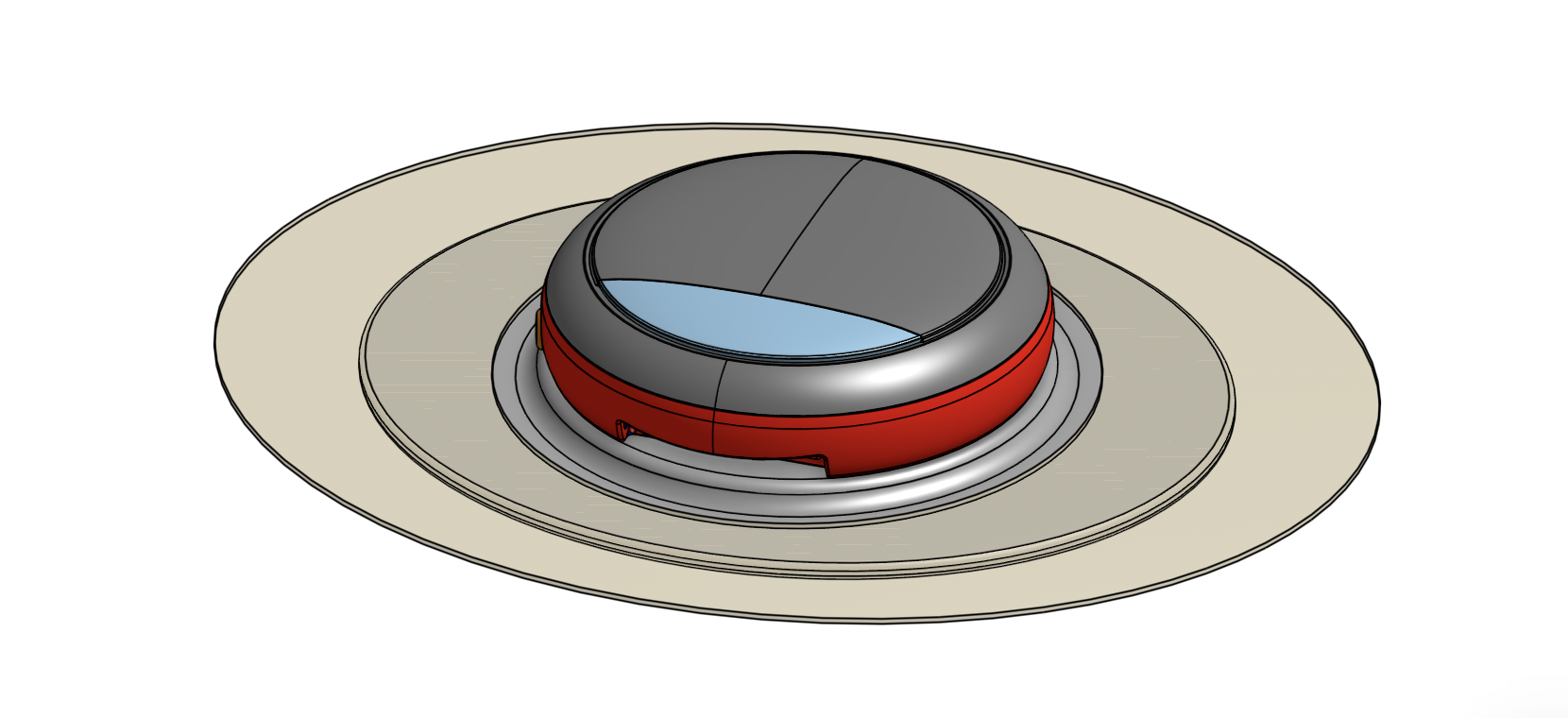
A low-profile thermal module designed to adhere directly to the skin using medical-grade adhesive. Human factors research identified the upper chest and inner arm as high-sensitivity zones for thermal perception. The patch form factor prioritized discreetness and all-day wearability, with the thermoelectric module housed in a slim overmolded enclosure. Manufacturing considerations drove the two-piece clamshell housing with a flexible PCB to minimize thickness.
Concept 2 — Clip-On Module
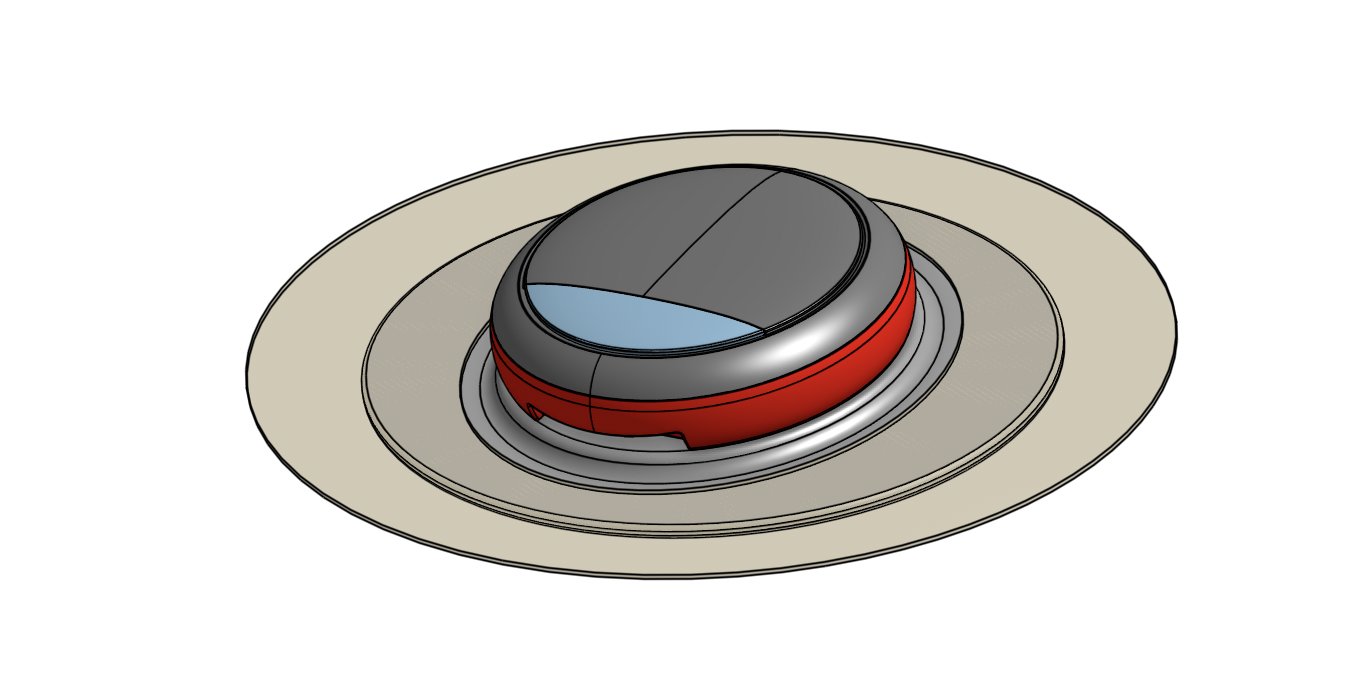
A versatile thermal device that clips onto clothing, straps, or accessories — targeting the collar, waistband, or bra strap.
Product strategy drove this concept: a clip-on form factor could reach users who don't want to wear a wrist device. The design uses a spring-loaded clip mechanism with a contoured thermal contact surface, balancing grip force with comfort. The single-plate heatsink doubles as the structural chassis to reduce part count.
Concept 3 — Ankle Band
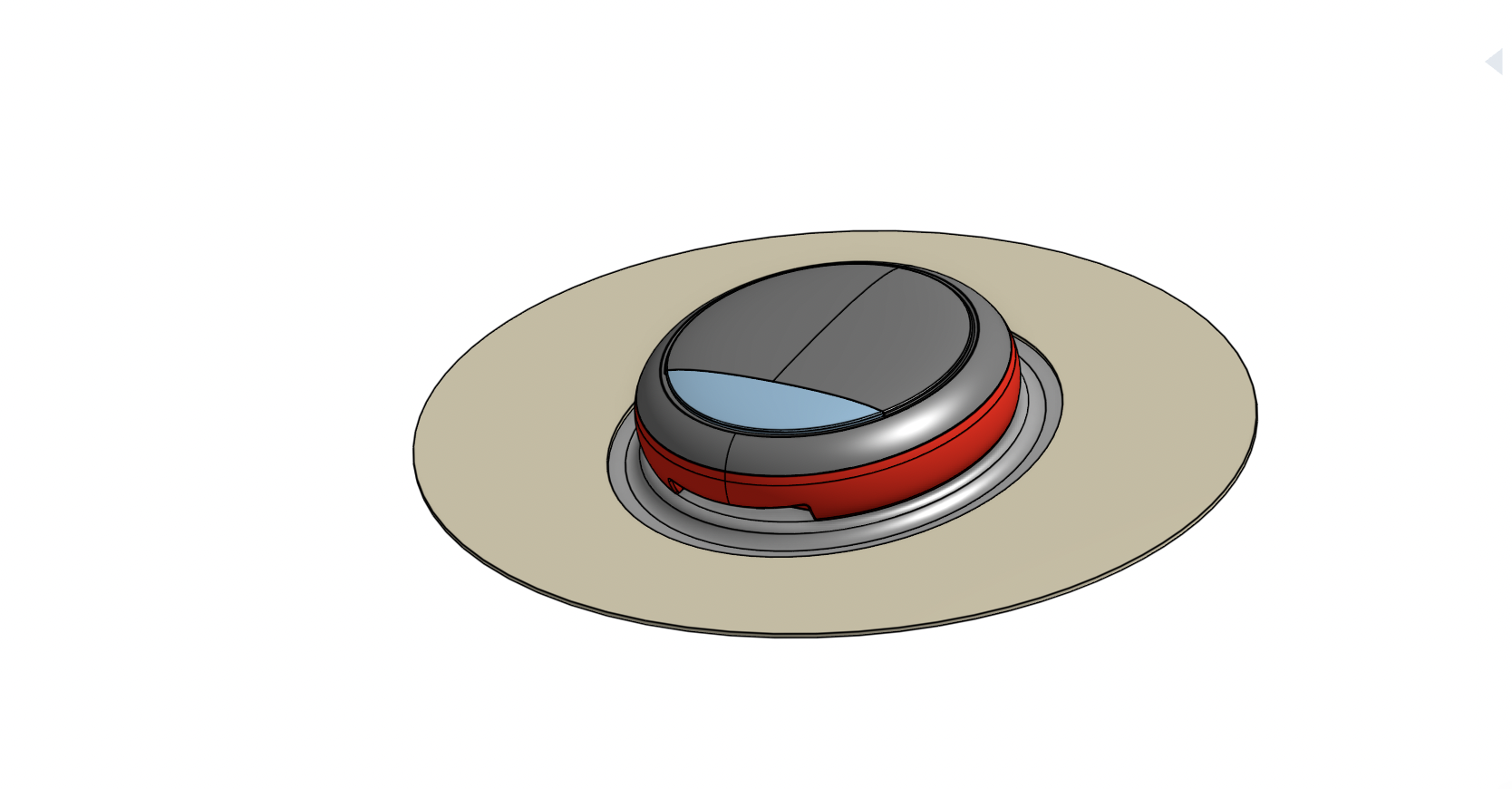
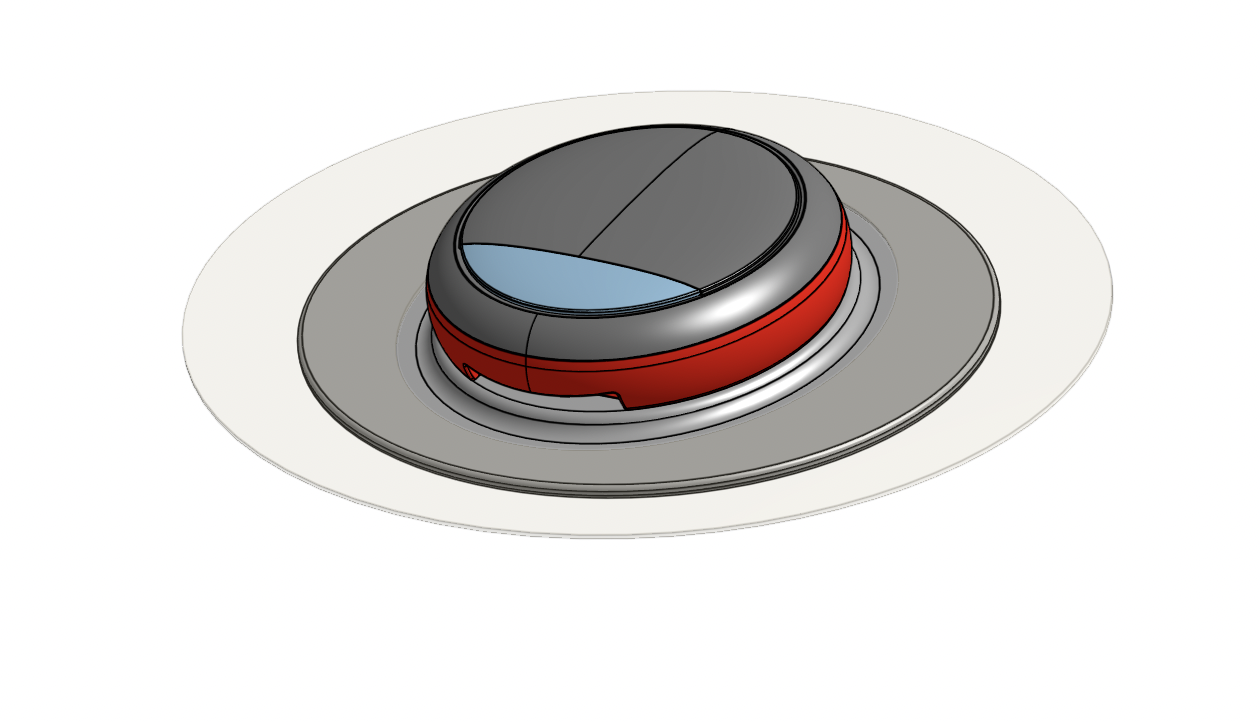
An ankle-worn thermal device targeting the foot and lower leg — areas with high thermal sensitivity for sleep and hot flash applications. Human factors studies showed that cooling the ankle can be highly effective for nighttime comfort. The form factor presented unique challenges: the band needed to accommodate a wide range of ankle circumferences, maintain consistent thermal contact on a tapered limb geometry, and remain comfortable during sleep. The integrated strap system with quick-release buckles was designed for injection molding with overmolded elastomer contact surfaces.
Concept 4 — Next-Gen Wrist Platform
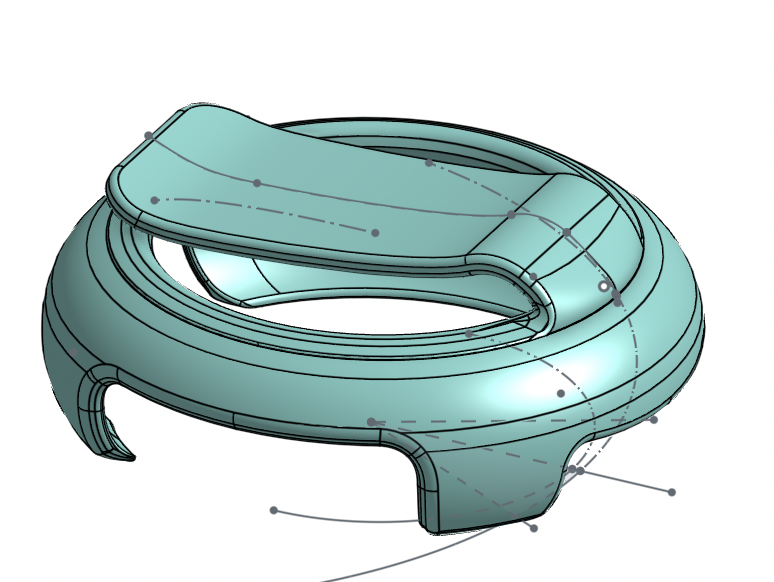
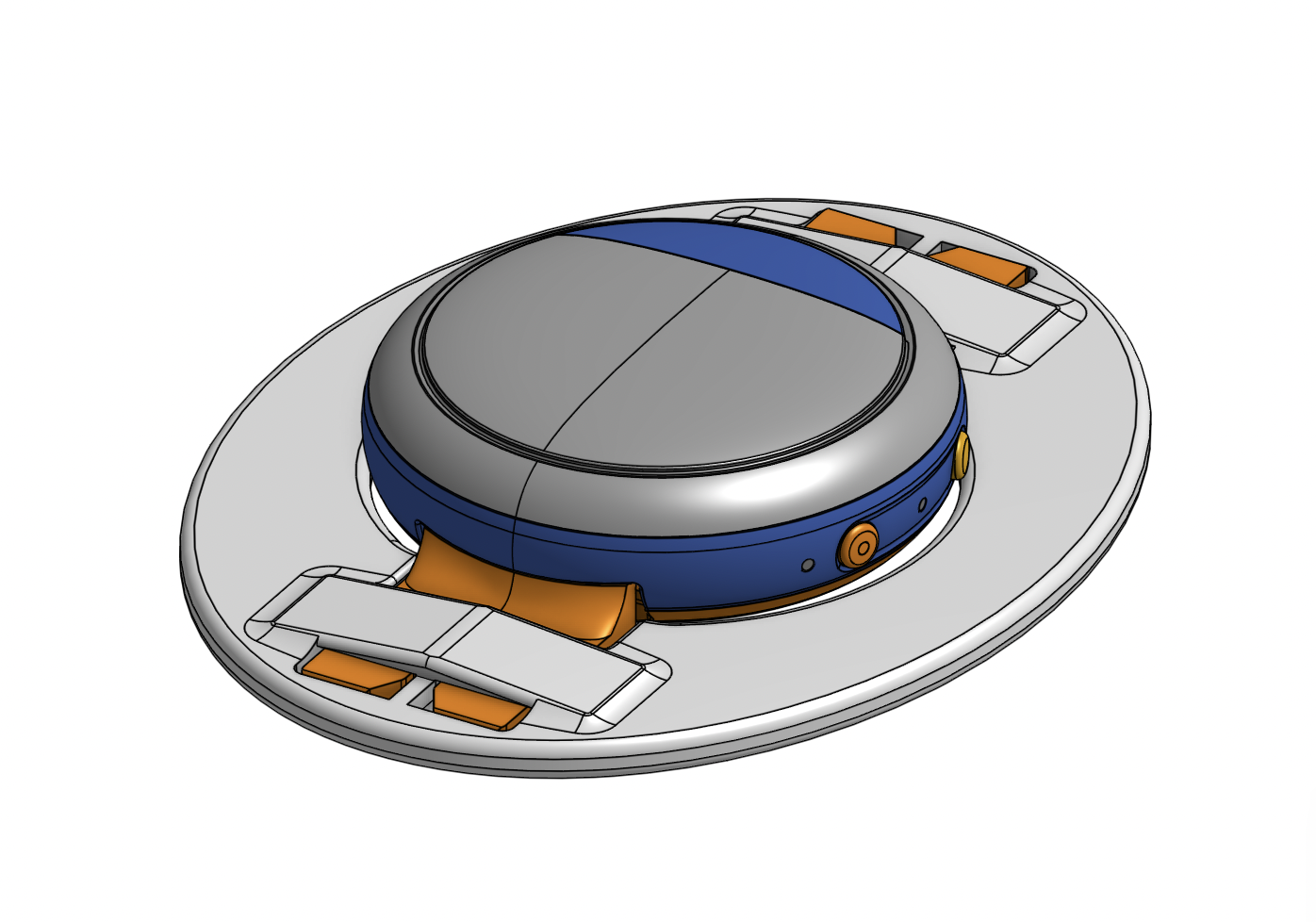
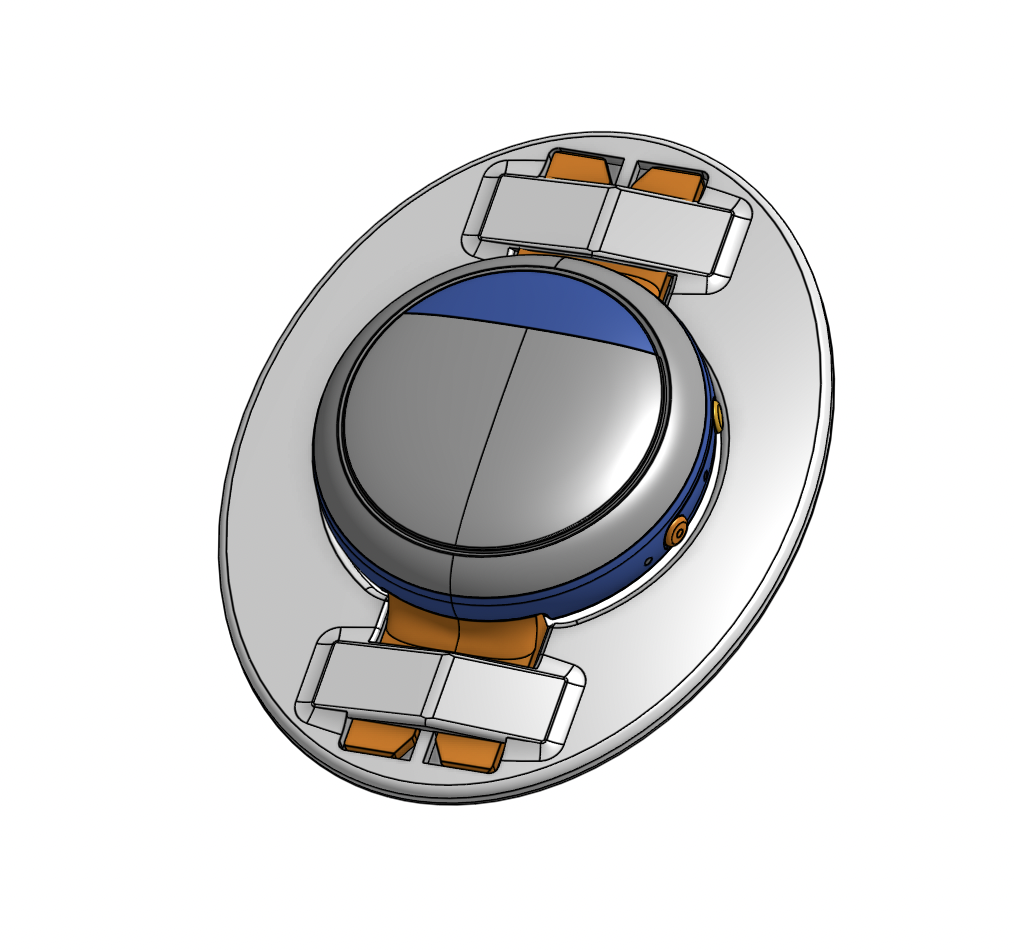
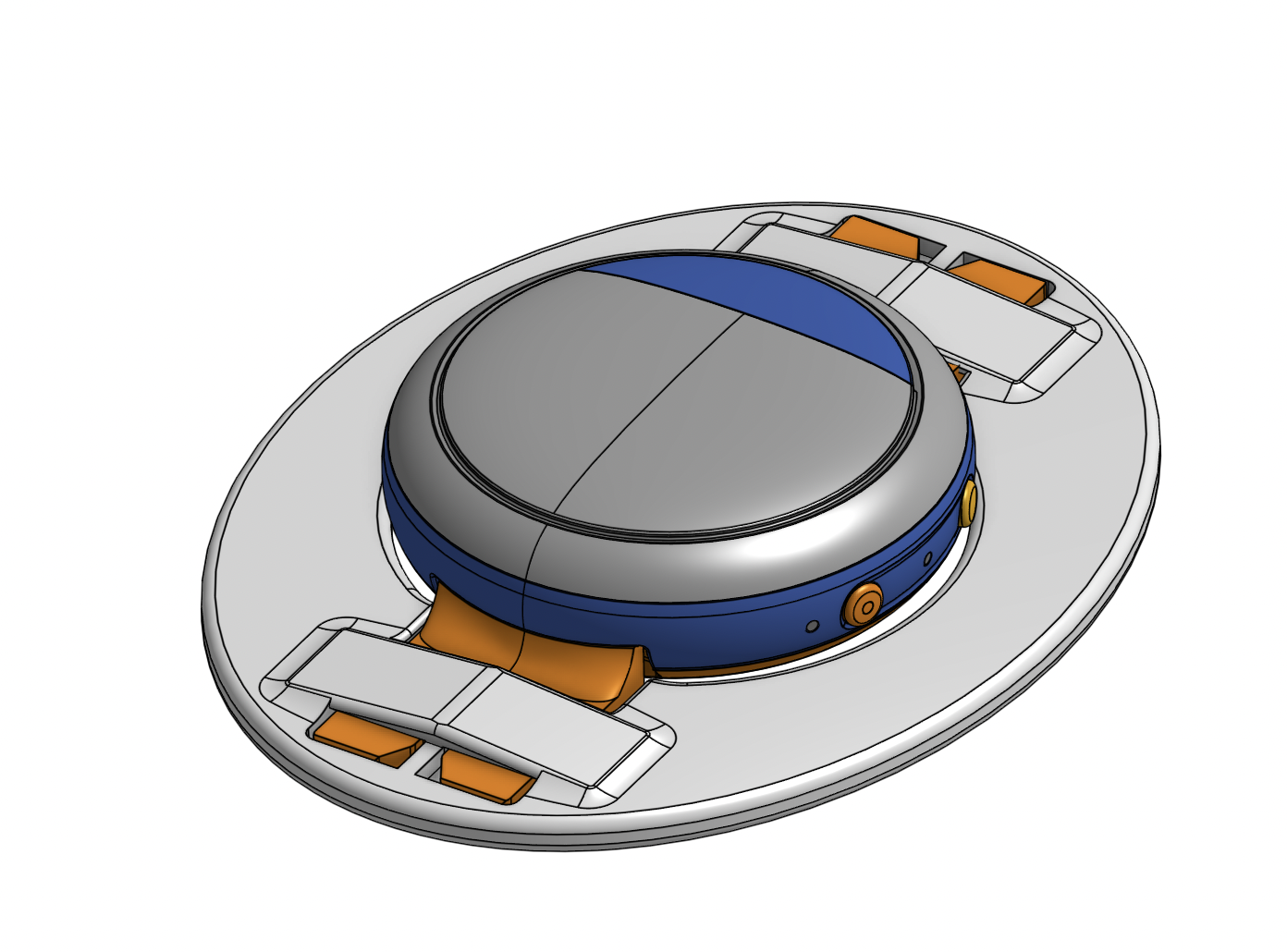
A reimagined wrist-worn device that pushed the existing platform forward with a new housing architecture. This concept explored how to increase the thermal contact area while reducing perceived bulk — using surfacing techniques to create an organic, jewelry-like aesthetic. The housing CAD was developed to production-intent detail, evaluating draft angles, parting lines, and overmold shut-offs for manufacturability.